

What Is Soursop? Benefits, Taste, Uses & How to Eat It
What is Soursop? The Complete Guide to Guanabana Fruit

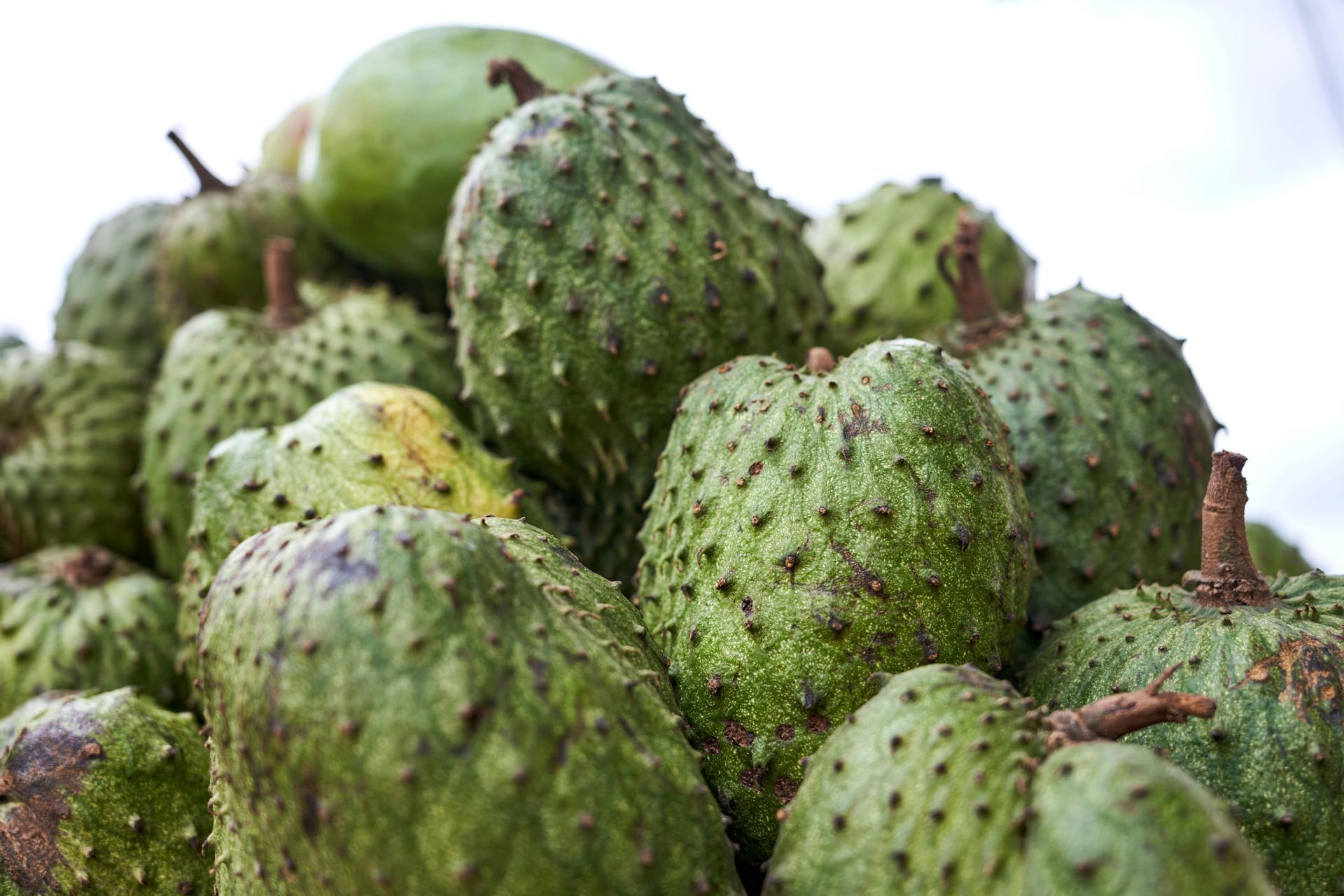
If you've ever wandered through a tropical farmers' market and spotted a peculiar, heart-shaped green fruit covered in spiky protrusions, you've likely encountered soursop.
Known by many names guanabana, graviola, and corossol this remarkable tropical fruit is gaining popularity worldwide, yet many people still don't know what it is or how to enjoy it.
In this comprehensive guide, we'll explore everything you need to know about soursop fruit, from its botanical origins to how to eat it, where to find it, and why it deserves a place in your diet.
Understanding Soursop: Definition and Meaning
What is soursop? Soursop is the fruit of Annona muricata, a broadleaf, evergreen tree native to Central and South America.
The fruit is instantly recognizable by its distinctive appearance: a large, heart-shaped body with dark-green skin and soft, spine-like protrusions that give it an almost alien appearance.
The soursop meaning derives from its unique flavor profile—a combination of sour and sweet notes paired with a custard-like, creamy texture. The name perfectly captures the sensory experience of biting into this exotic fruit.
The Different Names for Soursop
One of the most confusing aspects of soursop is its multiple names across different regions:
- Soursop (English-speaking countries)
- Guanabana (Spanish-speaking regions, particularly Latin America)
- Graviola (Portuguese-speaking countries)
- Corossol (French Caribbean)
- Guyabano (Philippines)
Despite the different names, they all refer to the same fruit: Annona muricata. Understanding these regional variations is helpful when shopping in international markets or traveling to tropical destinations.
Botanical Profile and Growing Regions
Soursop thrives in tropical and subtropical climates with temperatures between 60–90°F.
While native to Central and South America, the fruit is now cultivated across tropical regions worldwide, including the Caribbean, Southeast Asia, West Africa, and yes Hawaii.
The tree prefers well-drained soil and consistent moisture, making it ideal for tropical island environments.
How Do You Eat a Soursop Fruit?
This is one of the most common questions people ask about soursop. How do you eat a soursop fruit?
The answer is simpler than you might think, though there are a few important things to know.
Selecting and Ripening Your Soursop
Before you can eat soursop, you need to select a ripe one. Here's what to look for:
Color: A ripe soursop has dark-green skin. If it's still bright green, it's not quite ready.
Firmness: Gently squeeze the fruit. It should yield slightly to pressure but not be mushy. If it's rock-hard, it needs more time to ripen.
Aroma: A ripe soursop has a sweet, slightly fruity aroma. If it smells fermented or off, skip it.
Ripening at home: If your soursop isn't quite ripe, place it in a paper bag at room temperature for 1–3 days. It will continue to ripen and soften.
Storage: Once ripe, store soursop in the refrigerator for up to 5 days, or freeze the flesh for up to 3 months.
Step-by-Step: Cutting and Preparing Soursop
- Wash the fruit under cool running water and pat dry.
- Cut the fruit in half lengthwise using a sharp knife.
- Scoop out the white flesh with a spoon. The flesh is creamy and custard-like, making it easy to separate from the skin.
- Remove the seeds carefully. Important: Soursop seeds contain neurotoxins and should never be eaten. Discard all seeds.
- Enjoy the flesh fresh, or blend it for smoothies and juices.
Flavor Profile and Taste Experience
What does soursop taste like?
Most people describe it as a unique blend of strawberry, apple, banana, and pineapple with subtle citrus undertones.
The flavor is predominantly sweet with a slight tartness that makes it refreshing.
The texture is creamy and custard-like almost like eating a frozen fruit pudding, but fresh and juicy.
The taste experience is unlike any other tropical fruit, which is why it's become such a beloved ingredient in tropical cuisine.
How to Cook Soursop: Recipes and Preparation Methods
While soursop is delicious eaten fresh, it's incredibly versatile in the kitchen.
Here are the best ways to incorporate it into your cooking.
Making Guanabana Juice
Fresh guanabana juice is a tropical staple. Here's how to make it:
Ingredients:
- 2 cups fresh soursop flesh (seeds removed)
- 2 cups water or coconut milk
- 2 tablespoons sugar or honey (optional)
- Ice cubes
Instructions:
- Blend soursop flesh with water or coconut milk until smooth.
- Strain through a fine-mesh sieve to remove any remaining fibers (optional, but recommended for a smoother texture).
- Sweeten to taste if desired.
- Serve over ice.
This refreshing beverage is perfect on a warm day and takes just minutes to prepare.
Soursop Smoothies and Beverages
Combine soursop with other fruits and ingredients for creative smoothies:
- Tropical blend: Soursop + mango + coconut milk + honey
- Green smoothie: Soursop + spinach + banana + almond milk
- Protein smoothie: Soursop + Greek yogurt + granola + vanilla extract
The creamy texture of soursop makes it an excellent base for smoothies,requiring less ice than other fruits.
Soursop in Desserts and Baked Goods
Soursop puree is perfect for:
- Ice cream and sorbet: Blend soursop with cream and sugar, then churn.
- Custards and flans: Use soursop puree as a filling or flavoring.
- Cakes and pastries: Incorporate soursop puree into cake batters or use as a filling.
- Jams and preserves: Cook down soursop with sugar for a tropical spread.
The natural sweetness and creamy texture make soursop ideal for desserts without requiring excessive added sugar.
Where Can I Get Guanabana Fruit?
Finding soursop depends on where you live and the season. Here are your best options.
Local Farmers' Markets and Specialty Stores
Farmers' markets: Check your local farmers' market, particularly those with Latin American, Caribbean, or Asian vendors. Soursop is most abundant during summer and early fall.
Specialty grocery stores: Look for soursop in Latin American markets, Asian grocery stores, or specialty produce sections of larger supermarkets.
Tropical destinations: If you're visiting tropical regions whether Hawaii, the Caribbean, or Southeast Asia you'll find fresh soursop at local markets at reasonable prices.
Online and Mail-Order Options
Several online retailers now ship fresh soursop:
- Specialty fruit delivery services offer mail-order soursop with expedited shipping to ensure freshness.
- International grocery websites often carry frozen soursop pulp, which is convenient for smoothies and cooking.
- Amazon Fresh and similar services may have soursop available in select regions.
Note: Shipping costs can be high, so online options are best for enthusiasts willing to invest in the experience.
What is Soursop Good For? Health Benefits and Uses
Beyond its delicious taste, soursop offers impressive nutritional benefits.
Nutritional Content and Vitamins
A 100-gram serving of soursop contains:
- Calories: 66
- Fiber: 2.4g (supports digestive health)
- Vitamin C: 20% of daily value (boosts immunity)
- Potassium: 8% of daily value (supports heart health)
- B vitamins: Including B6 and folate
- Antioxidants: Polyphenols and phytochemicals that combat oxidative stress
Soursop is low in calories but high in nutrients, making it an excellent choice for health-conscious eaters.
Traditional and Modern Uses
Soursop has been used in traditional medicine for centuries:
- Digestive health: Used traditionally to aid digestion and treat stomach issues
- Immune support: High vitamin C content supports immune function
- Anti-inflammatory properties: Some compounds in soursop have anti-inflammatory effects
- Traditional remedies: Used in Caribbean and Latin American folk medicine for various ailments
Important note: While soursop has traditional uses, it's not a substitute for medical treatment. Always consult with a healthcare provider before using soursop for health purposes.
Exploring the World of Soursop
What is soursop? It's a remarkable tropical fruit with a unique flavor, impressive nutritional profile, and incredible versatility in the kitchen.
Whether you're eating it fresh, blending it into smoothies, or incorporating it into desserts, soursop offers a delicious way to explore tropical cuisine.
If you haven't tried guanabana yet, now's the time. Visit your local farmers' market, specialty grocery store, or explore online options to get your hands on this exotic fruit. Once you taste it, you'll understand why soursop has captured the hearts and taste buds of tropical fruit enthusiasts worldwide.